
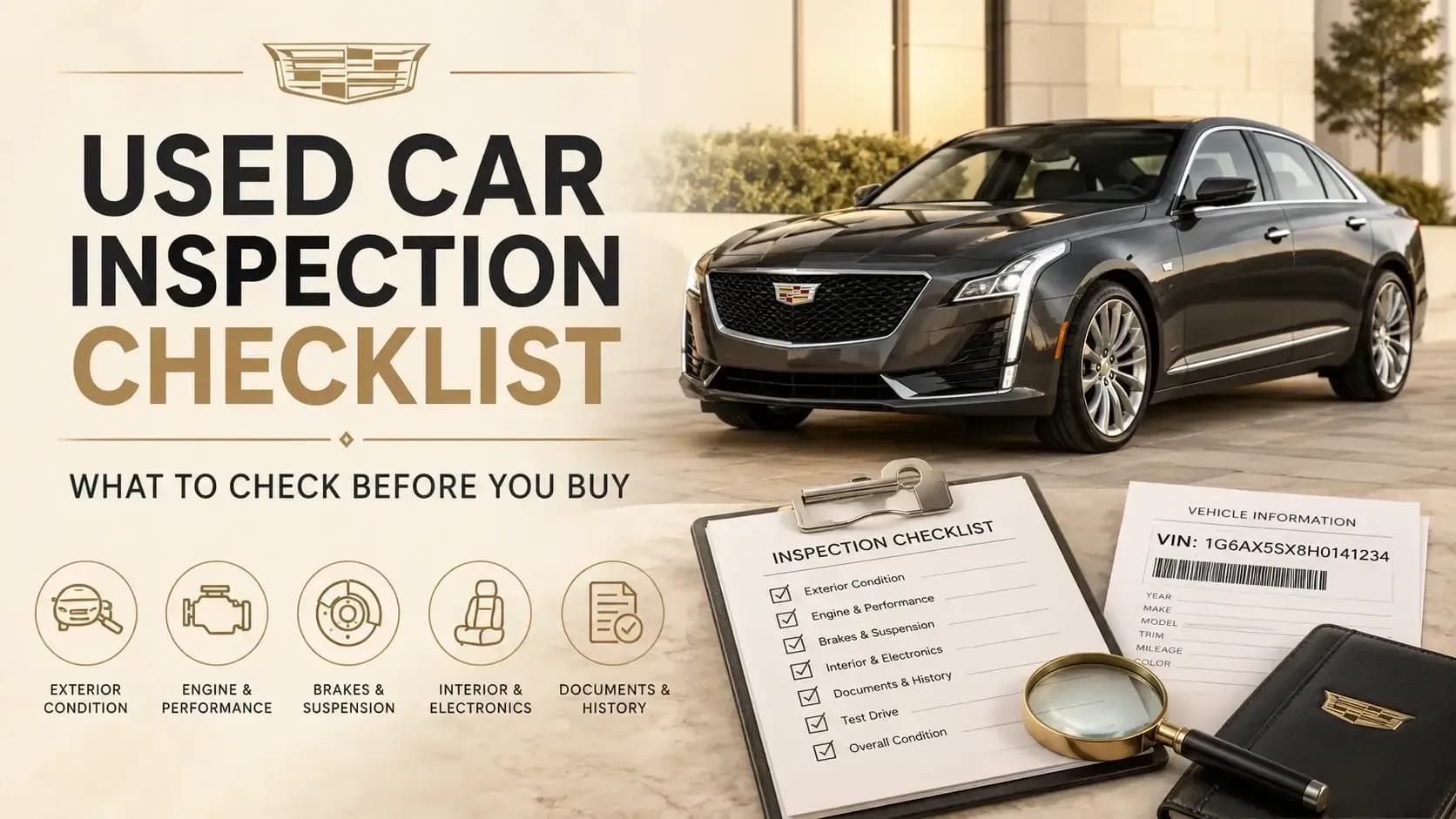
A used car inspection checklist helps you slow down, check the right details, and avoid buying a problem car with a polished listing. Before paying, you should check the VIN, title, mileage, accident signs, engine condition, tires, electronics, paperwork, and factory equipment.
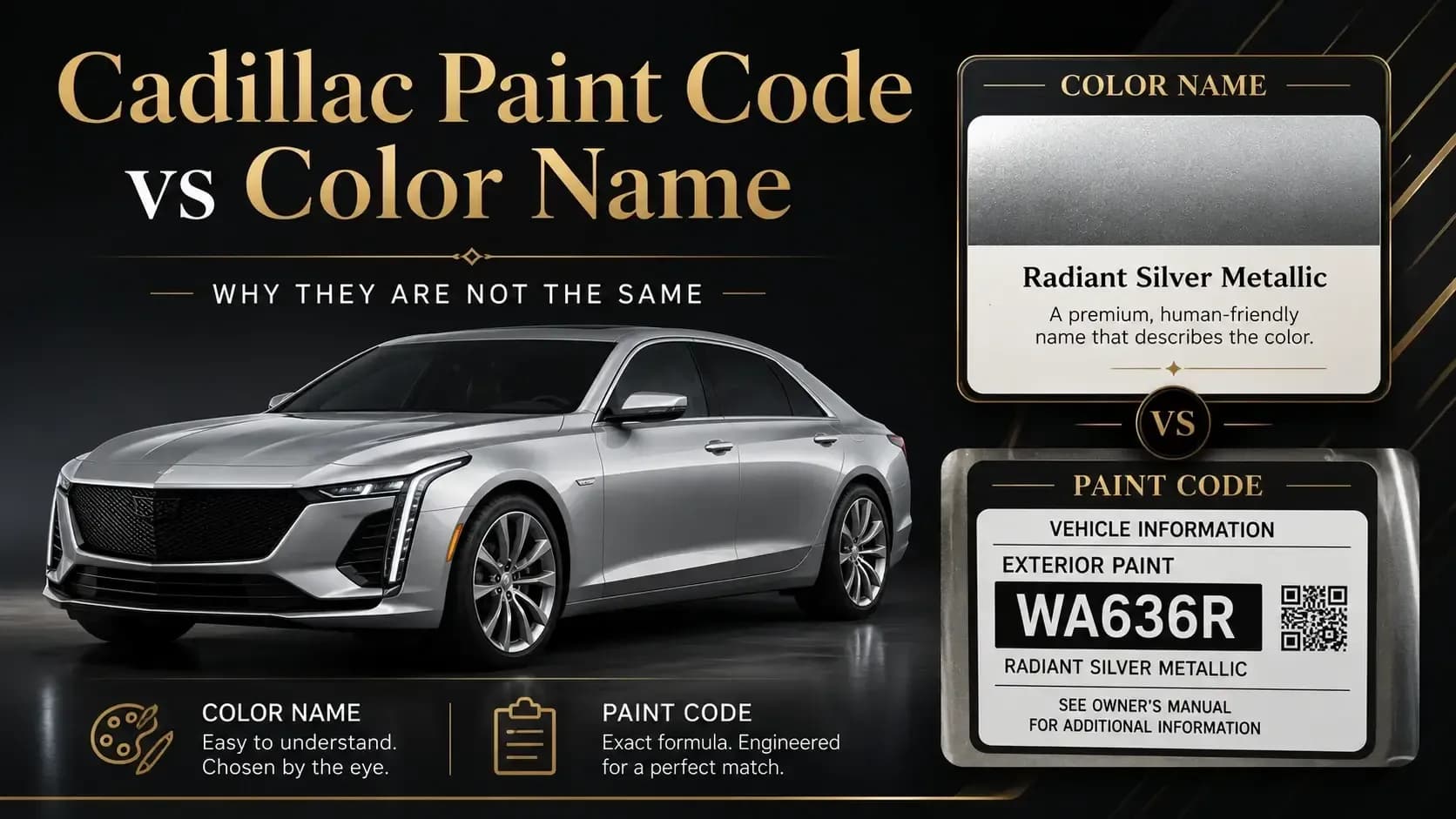
If you’re looking at a used Cadillac, reviewing the original Cadillac window sticker can also help confirm factory options, MSRP, colors, warranty terms, and equipment before you trust the seller’s description.
Key Takeaways
- A buying a used car checklist should cover the VIN, title, mileage, condition, history, and test drive.
- Some used car warning signs are easy to miss, especially repaint work, title issues, leaks, and mismatched equipment.
- A clean inspection does not guarantee a perfect car, but it gives you a much stronger buying position.
Start with the Paper Trail
Before you get excited about the paint, wheels, or leather seats, check the paperwork. I know, paperwork is not the fun part. But bad paperwork can turn a good-looking car into a long headache.
1. Check the VIN
The VIN on the listing should match the dashboard, driver-side door jamb, title, registration, and insurance papers when available. If one number is different, ask why before moving forward.
For Cadillac buyers, a Cadillac VIN decoder can help confirm basic vehicle details before you go deeper.
2. Review the Title
Look for title brands such as salvage, rebuilt, flood, lemon, or junk. A branded title does not always mean the car is unusable, but it changes value, insurance, financing, and resale.
3. Compare Mileage Records
Mileage should make sense across the odometer, title, service records, and vehicle history. A small clerical error can happen. A strange mileage jump deserves more attention.
4. Ask for Service Records
Service records show how the car was cared for. Oil changes, brake work, tire replacement, coolant service, transmission service, and recall repairs can all tell part of the story.
Look Around the Car Before You Start It
Now step back and look at the vehicle like a buyer, not like someone already in love with it. That part is hard. A clean detailed job can make almost anything look tempting.
1. Check Body Panels
Look for uneven gaps, mismatched paint, wavy reflections, and panels that do not line up. These can suggest accident repairs or poor bodywork.
2. Look at the Paint
Fresh paint is not always bad. Maybe the car had cosmetic work. Still, check for overspray near rubber seals, door edges, headlights, trim, and wheel wells.
3. Inspect Glass and Lights
Cracked glass, foggy headlights, broken taillights, and moisture inside lenses can point to age, damage, or poor repairs.
4. Check the Tires
Tires tell on a car. Uneven wear can suggest bad alignment, worn suspension, or neglected maintenance. Also check tire age, not just tread depth.
5. Look Under the Car
You do not need to crawl around like a technician, but look for obvious leaks, rust, bent parts, hanging shields, or fresh undercoating that may be hiding corrosion.
6. Smell the Interior
Yes, really. A damp smell can suggest water leaks or flood history. Heavy perfume or ozone smell may be covering smoke, mildew, or pet odor.
Check the Interior Like You’ll Actually Live With It
The cabin is where daily ownership becomes real. A car can look beautiful outside and still feel tired inside.
Test all the Switches
Everything from windows, locks, mirrors, seating control, climate control, sunroof, wipers, lights, infotainment system, camera, sensors and steering wheel switches must function properly.
Tiny gadgets can get pricey when it comes to luxury vehicles.
Examine Seats for Wear
Check for any signs of deterioration in the form of wear and tear, stitching or cracking. High wear on seats with low mileage would be an indication that the story about the mileage is a lie.
Pay Attention to Any Warning Lights in the Dashboard
Upon turning the ignition key, all the warning lights will turn on temporarily and turn off after few seconds. Any warning lights like check engine light, airbag light, ABS light or traction light being on is not something to overlook.
Check the Air Conditioning System
The air conditioning system needs to be cool and respond fast. Poor cooling could indicate a basic recharge, but it could also point to leaks and electrical problems.
Inspect the Engine Bay Without Overthinking It
You do not need to be a master mechanic to spot basic problems. You just need to look carefully.
1
Check Fluid Levels
Look at engine oil, coolant, brake fluid, transmission fluid when accessible, and washer fluid. Low or dirty fluids can point to poor maintenance.
2
Look for Leaks
Check around the valve cover, oil pan, radiator, hoses, power steering components, and under the engine. A little grime on an older car is normal. Wet leaks are different.
3
Watch the Exhaust
Blue smoke can suggest oil burning. White smoke after warm-up can be a concern. Black smoke may point to fuel mixture issues.
4
Listen to the Engine
A healthy engine should sound steady. Ticking, knocking, rough idle, or shaking should be checked before buying.
5
Check Belts and Hoses
Cracked belts, swollen hoses, and brittle rubber can mean repairs are coming soon. Not always scary, but useful for negotiation.
6
Look for Recent “Too Clean” Work
A spotless engine bay is nice. But if it looks freshly washed while the rest of the car does not, ask why. Sometimes it is just detailing. Sometimes it hides leaks.
Take the Test Drive Seriously
A test drive is not a joyride. It is your chance to feel the car’s truth.
1. Start Cold When Possible
A cold start can reveal noises, smoke, weak batteries, or idle problems. Warm cars can hide things.
2. Check Acceleration
The car should accelerate smoothly without hesitation, jerking, slipping, or harsh shifting.
3. Test Braking
Brakes should feel firm and straight. Pulling, vibration, grinding, or a soft pedal needs attention.
4. Feel the Steering
The car should track straight. Wandering, vibration, or clunking over bumps may point to tires, suspension, or steering issues.
5. Listen with the Radio Off
Turn the radio off. Listen for rattles, wind noise, bearing hum, suspension knocks, or exhaust leaks. A quiet cabin can reveal a lot.
6. Try Parking Speeds
Many issues show up in slow turns, reverse, and parking-lot maneuvers. Listen for clicking, binding, or steering noise.
Compare the Seller’s Story with Factory Details

Here’s where buyers and flippers can gain an edge. A seller might say the car is “fully loaded,” “rare,” or “top trim.” Maybe it is. Maybe it is just wearing nice wheels.
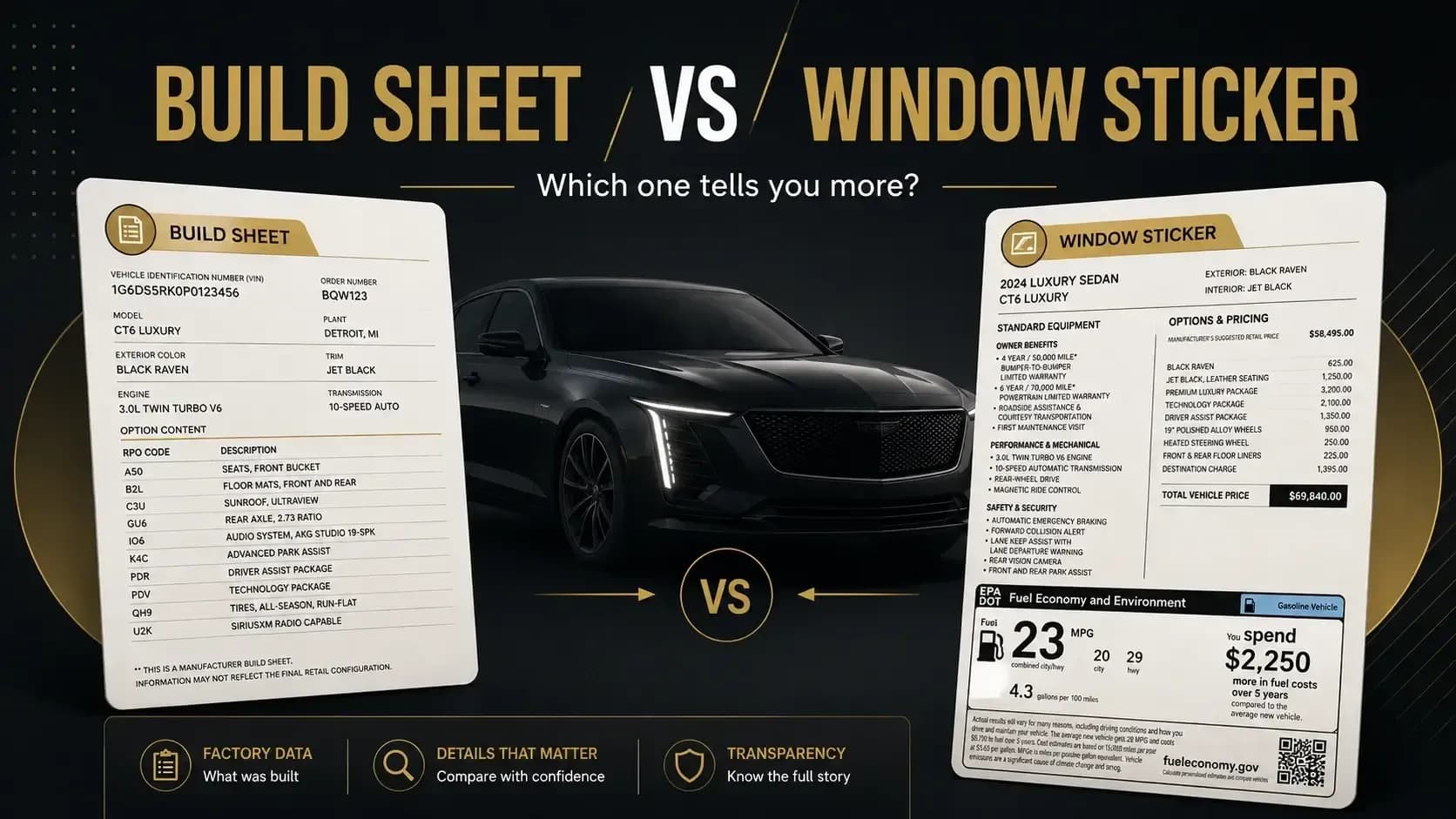
A factory label can help sort facts from sales talk. It may show original MSRP, standard equipment, factory packages, colors, fuel economy, warranty terms, and safety details.
If you want a cleaner way to understand those sections, read this guide on how to read a window sticker. It explains which parts matter most before buying.
Used Car Warning Signs You Should Not Ignore
Some problems are negotiable. Some are walk-away material. The trick is knowing the difference.
⚠️ The Seller Avoids Paperwork
If the seller cannot show the title, registration, or VIN clearly, slow down. A good deal still needs clean documents.
⚠️ The Price Feels Too Good
Cheap cars exist. But a very low price plus rushed selling pressure should make you careful.
⚠️ The VIN or Mileage Does Not Match
Mismatched VINs and strange mileage records are serious concerns. They can affect ownership, resale, financing, and insurance.
⚠️ The Car Pulls, Smokes, or Shifts Badly
Mechanical problems do not fix themselves. If the test drive feels wrong, believe the car.
⚠️ The Seller Pushes for Fast Payment
A seller who pressures you to pay before inspection is not helping you make a smart decision.
⚠️ The History and Condition Do Not Agree
A “no accident” claim should match the body, paint, gaps, glass, and records. If the story feels messy, keep checking.
Quick Used Car Buying Checklist
Use this buying a used car checklist before making an offer:
- VIN matches the vehicle and documents
- Title is clean or clearly explained
- Mileage makes sense across records
- No major leaks or warning lights
- Tires, brakes, and suspension look safe
- Interior electronics work properly
- Test drive feels smooth and controlled
- Factory equipment matches the seller’s claims
- Accident signs have been checked
- A mechanic inspection is completed when needed
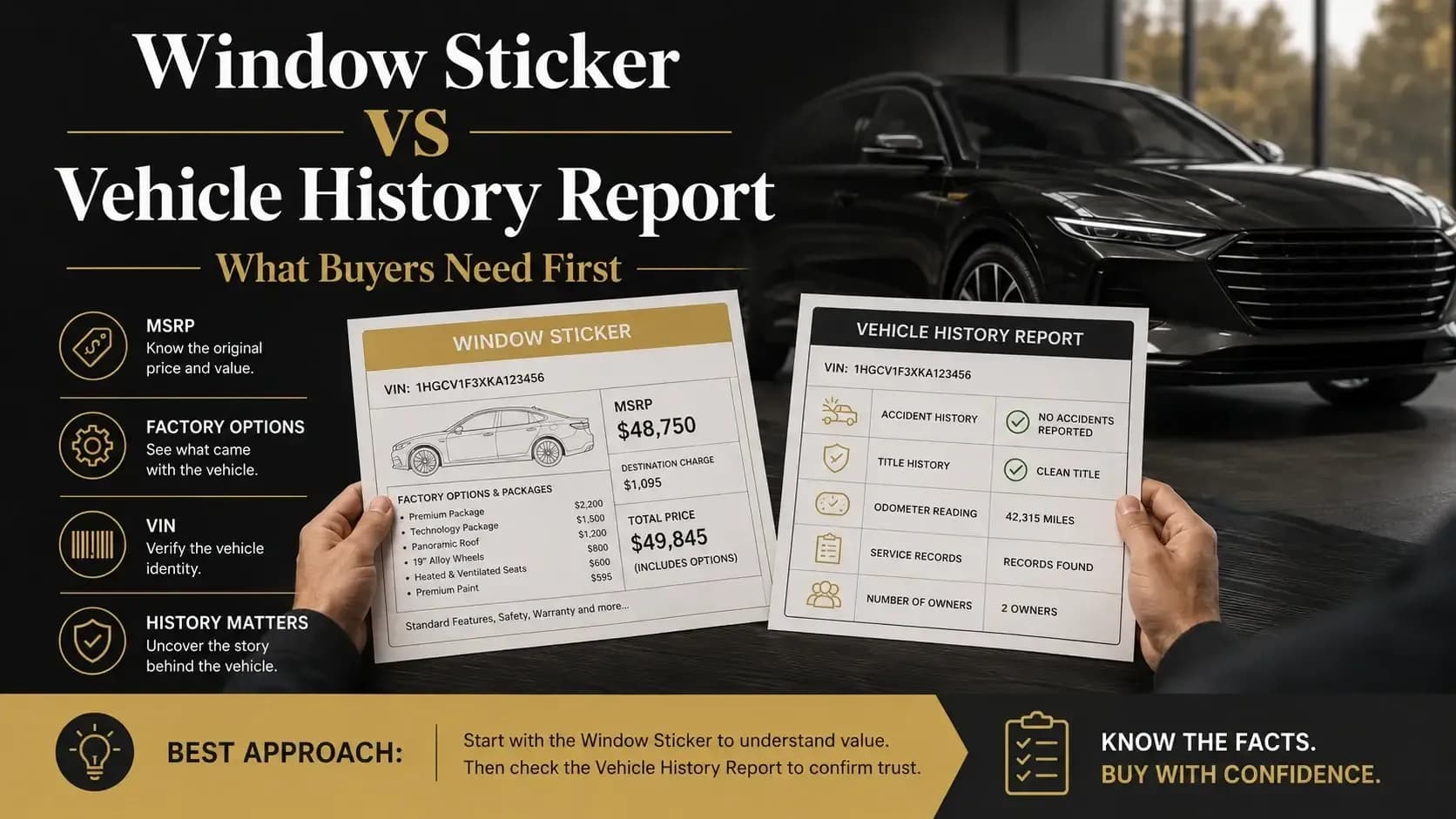
For a wider view of factory data versus ownership history, this guide on window sticker vs vehicle history report can help you decide what to check first.
Final Word: Do Not Purchase the Story Alone
A used car is much more than a picture and a good story. It is paperwork, condition, factory specifications, maintenance history, miles, and how it drives.
The story becomes believable if all the facts back it up.
If the VIN numbers match, there is no history of liens against the vehicle, and the test drive proves satisfactory, then go ahead. If the story gets murkier with each passing question, think again. There will always be another car.
Frequently Asked Questions
What questions to ask when buying a used car?
Ask why the car is being sold, how long the seller has owned it, whether it has accident history, whether the title is clean, if service records are available, and whether you can inspect it before buying.
What to check under the hood of a used car?
Check oil, coolant, brake fluid, visible leaks, belts, hoses, battery condition, engine noise, exhaust smoke, and signs of recent repairs. If you are unsure, bring a mechanic.
How to check if a used car has been in an accident?
Look for mismatched paint, uneven panel gaps, overspray, replaced glass, bent frame areas, airbag warning lights, and inconsistent history records. A vehicle history report and inspection can help.
What is a good mileage for a used car?
There is no perfect number. Many buyers use average yearly mileage as a rough guide, but condition and maintenance matter more. A well-kept higher-mileage car can be better than a neglected low-mileage one.
What should first-time buyers check before buying a second-hand car?
First-time buyers should check the VIN, title, mileage, accident signs, engine condition, tires, brakes, electronics, service records, and test drive behavior before paying.How can I avoid scams when buying a used car?
How can I avoid scams when buying a used car?
Verify the VIN, meet in a safe place, inspect the title, avoid rushed payments, check the seller’s identity, use trusted payment methods, and never rely only on photos or promises.